


The Impact of Super Bowl LX Aftermath on 2026 Sports Marketing Strategies

How the Super Bowl LX Aftermath Is Redefining Sports Marketing in 2026
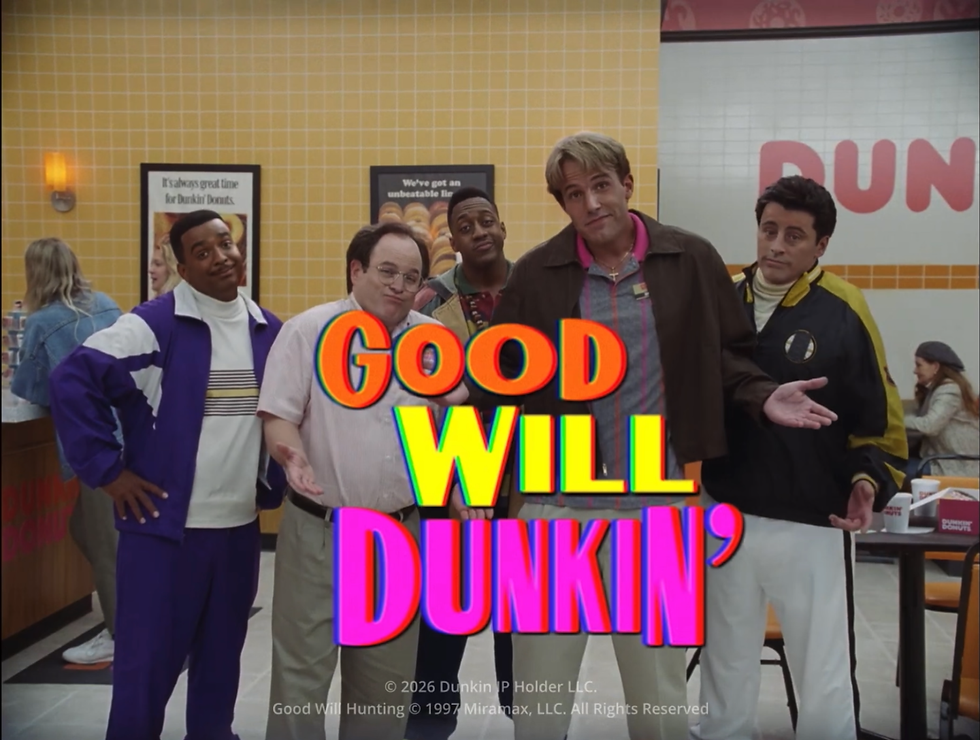
Super Bowl LX did what the Super Bowl consistently does: it concentrated American attention into a single cultural moment. But the most important marketing insights did not end when the clock hit zero.
In the days following the game, viewership data, engagement metrics, sentiment analysis, and consumer behavior reports began to reveal something more valuable than ad rankings — they revealed where sports marketing is heading in 2026.
With nearly 125 million viewers tuning in across broadcast and streaming platforms, Super Bowl LX ranked among the most-watched television events in U.S. history (New York Post, 2026). Yet raw viewership alone no longer tells the full story. What matters now is how audiences behave before, during, and after the broadcast — and how brands convert attention into measurable outcomes.
The aftermath of Super Bowl LX offers five critical signals for the future of sports marketing.
Viewership Remains Massive — But Attention Is Fragmented
Super Bowl LX averaged approximately 124.9 million viewers, placing it among the highest-rated broadcasts ever recorded in the United States (New York Post, 2026). On paper, this confirms the Super Bowl’s continued dominance as a media property.
However, deeper analysis shows evolving consumption patterns. Halftime viewership slightly exceeded portions of the live game broadcast, reinforcing the growing importance of entertainment-driven engagement. Cultural programming is no longer secondary — it is central to audience retention.
For marketers, this means media strategy must reflect behavioral reality. The Super Bowl is not simply a football game with commercial breaks; it is a layered entertainment ecosystem composed of:
The game itself
The halftime performance
Social media conversation
Influencer coverage
Real-time brand interaction
Brands that treated the event as a single 30-second insertion point underperformed compared to those that built integrated, multi-platform narratives.
The Halftime Show as a Marketing Force Multiplier
The Apple Music Halftime Show, headlined by Bad Bunny, reportedly drew 128.2 million viewers and broke multiple NFL social engagement records (Times of India, 2026). That figure surpassing game viewership is not a statistical anomaly — it is a structural shift.
Halftime has evolved into one of the most valuable marketing windows of the year. Brands aligned with halftime programming benefited from:
Elevated cultural credibility
Increased second-screen engagement
Organic amplification through fan-driven content
Unlike traditional ad placements, halftime-driven marketing operates through emotional and cultural relevance. Social media engagement surged during and immediately after the performance, reinforcing how music, identity, and sport intersect in contemporary brand storytelling (Times of India, 2026).
For sports marketers, this confirms a broader truth: cultural integration drives sustained engagement more effectively than transactional advertising.
AI Advertising: Engagement Without Guaranteed Affinity
Super Bowl LX also marked one of the most AI-saturated advertising environments in Super Bowl history. Multiple brands leaned into artificial intelligence themes, AI-generated visuals, and tech-forward narratives.
Post-game sentiment analysis tells a more nuanced story.
While certain AI-driven spots generated significant traffic — with at least one campaign reportedly driving server overload due to demand spikes (MediaPost, 2026) — broader sentiment tracking revealed elevated negative reactions toward some AI-centric ads (Meltwater, 2026).
The lesson is not that AI underperformed. It is that novelty alone does not produce durable brand equity.
Data from post-Super Bowl social monitoring suggests:
AI-themed ads generated high mention volume
Sentiment skewed more polarized than traditional narrative-driven ads
Emotional storytelling correlated more strongly with positive perception (Meltwater, 2026)
The aftermath confirms a critical strategic principle: technology enhances creativity, but it does not replace it. Brands that integrated AI into human-centered storytelling performed better than those that foregrounded AI as spectacle.
Measurable Consumer Action Is Increasing
One of the most significant developments in the post-Super Bowl landscape is the measurable consumer response observed in healthcare and wellness advertising.
According to eMarketer (2026), certain healthcare campaigns — including pharmaceutical and GLP-1-related ads — generated 3.7 times the median engagement rate and drove meaningful increases in site visits and search behavior following the game.
Historically, Super Bowl advertising was evaluated primarily on awareness and recall. In 2026, direct-response outcomes are becoming more visible and trackable.
The shift toward measurable action suggests that:
Super Bowl campaigns can function as conversion drivers
Digital retargeting post-broadcast is critical
Search lift and behavioral analytics must be integrated into ROI frameworks
In short, the Super Bowl is evolving from brand theater into performance marketing at scale.
The Rise of Pre-Game Narrative Strategy
Another notable insight from post-event analytics is that teaser campaigns released before the game generated significantly higher engagement than ads that debuted exclusively during the broadcast. Meltwater (2026) reported that pre-game content generated approximately 3.5 times more engagement than in-game-only launches.
This reflects a fundamental change in media dynamics.
In an era of social previews and YouTube premieres, anticipation drives algorithmic lift. Brands that seeded their campaigns early captured attention before the clutter peaked.
The Super Bowl has become a multi-phase event:
Phase 1: Tease and build narrative
Phase 2: Air and amplify
Phase 3: Sustain conversation and convert
Brands that ignore Phase 1 and Phase 3 leave measurable value on the table.
Generational Differences in Brand Reception
Post-game analysis also revealed generational divergence in ad reception. Younger viewers were more responsive to culturally bold, celebrity-driven campaigns, while older audiences expressed greater skepticism toward tech-heavy or novelty-based messaging (Rolling Out, 2026).
This reinforces the importance of segmented creative strategy.
The Super Bowl remains a rare cross-generational viewing moment, but audience expectations are not homogeneous. Effective campaigns acknowledge this diversity in tone, pacing, and distribution channels.
Cultural Spillover and Influencer Amplification
Beyond formal advertising, the Super Bowl weekend generated extended engagement through influencers and experiential content. Influencer-driven storytelling amplified lifestyle narratives connected to the event, extending its cultural shelf life (People, 2026).
This spillover effect underscores an important shift: the Super Bowl is no longer confined to broadcast time. It operates as a weekend-long media ecosystem.
Brands that coordinated influencer activations, experiential pop-ups, and digital content pipelines saw engagement persist well beyond Sunday night.
Strategic Implications for Sports Marketing in 2026
The aftermath of Super Bowl LX suggests that sports marketing is undergoing structural refinement rather than radical disruption.
Mass reach still matters. Live sports remain one of the few guaranteed large-scale audience aggregators. But how that reach converts into value depends on integration, narrative continuity, and post-event optimization.
Three strategic conclusions emerge:
First, integrated storytelling outperforms isolated ad placements. Campaigns must operate across broadcast, digital, and influencer ecosystems.
Second, technology must serve narrative clarity. AI-generated content can attract attention, but emotional authenticity drives lasting brand equity.
Third, performance metrics are redefining evaluation standards. Search lift, behavioral analytics, and conversion tracking are increasingly central to Super Bowl ROI measurement.
The 2026 Super Bowl did not diminish the event’s marketing power. It refined it.
The Super Bowl as a Strategic Laboratory
Super Bowl LX reinforced that live sports remain the most powerful media environment in the United States. However, the marketing advantage no longer belongs automatically to those who buy airtime. It belongs to those who design systems around attention.
In 2026, the Super Bowl is not just a broadcast. It is a laboratory for integrated marketing strategy, cultural relevance, technological experimentation, and measurable consumer action.
For brands, agencies, and sports marketers, the real game begins after the final whistle.


Comments